Production tools and molds
3D printing is the best technology to create special tools, molds and templates to optimize production. An exquisite opportunity to up production, improve quality and make life for operators a lot easier.
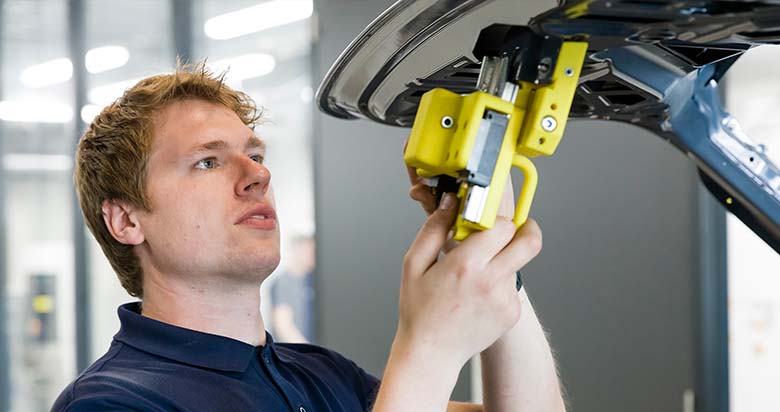
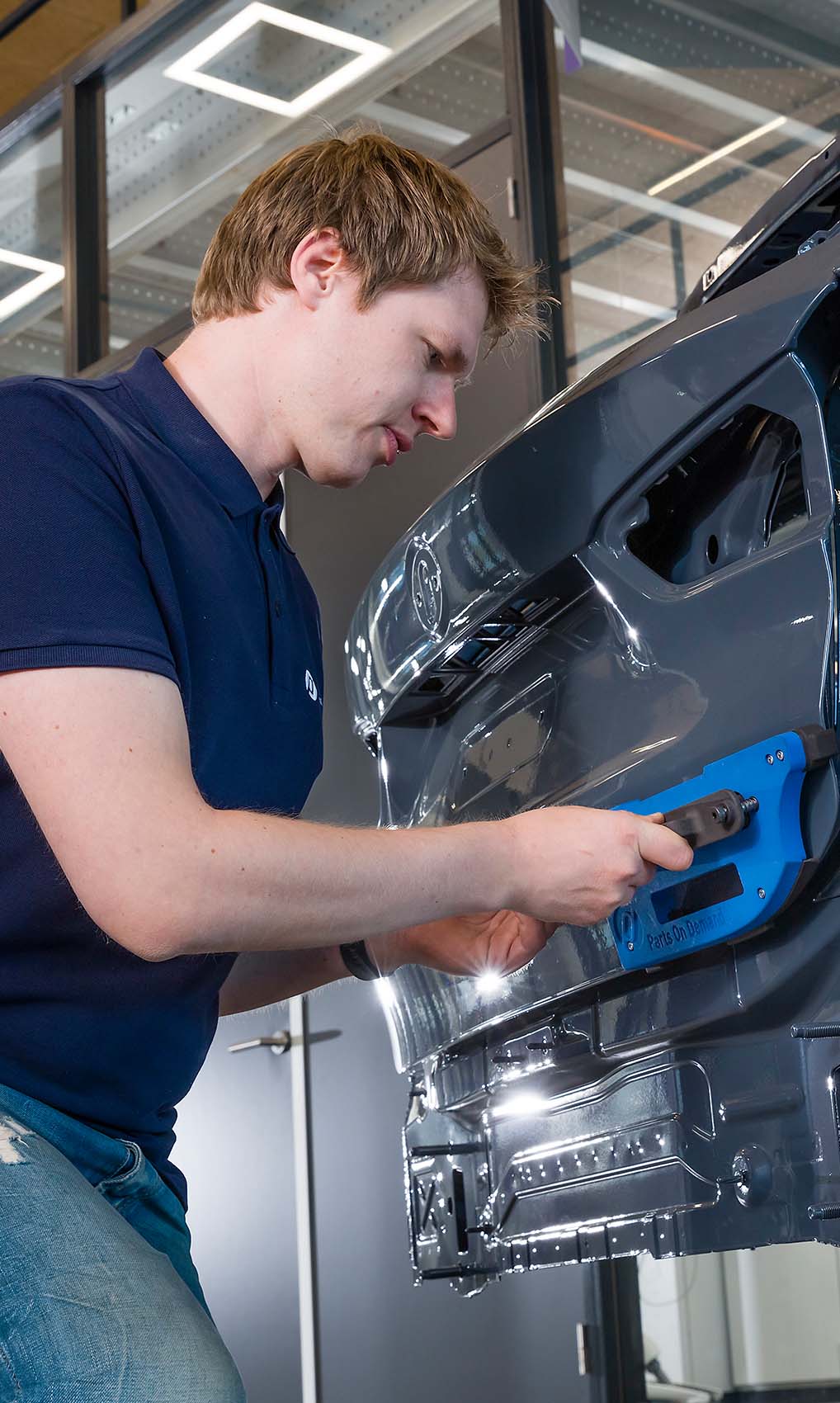
Speed up your process?
At your demand.
Your company is Lean, 5S and Six Sigma. You get the importance of these tools for your production process. Can’t really get on without them. We get it! That’s why we make your tools as fast and lean as you produce. Did you know that we don’t only 3D print, but compile, rework and assemble as well?
Super fast!
The engineering?
We know how.
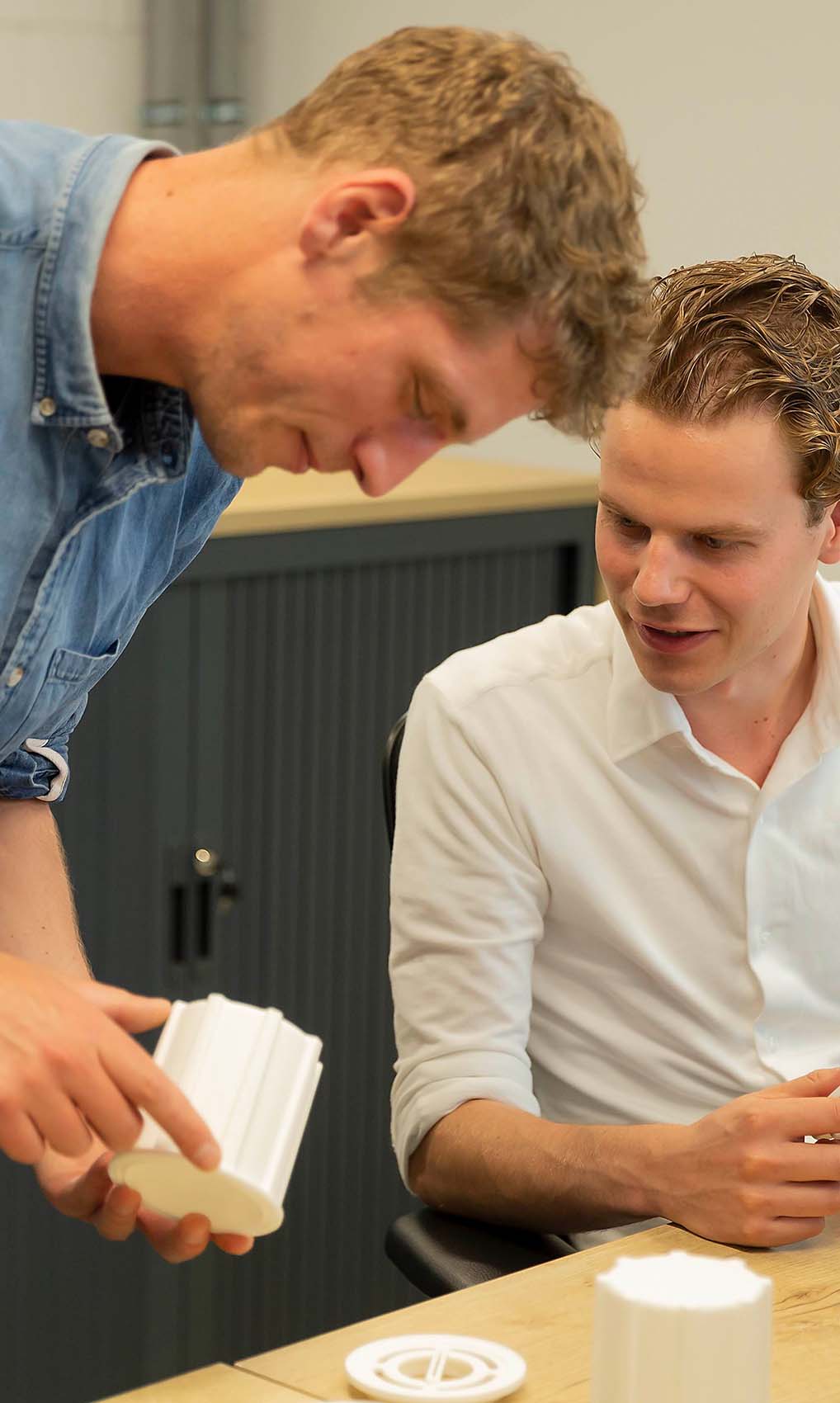
You used to make tooling by turning or milling parts. But with 3D printing you can do more for less. You only have to know how. Good for you, Parts On Demand has a team of engineers to help you make your designs better, smarter and more efficient. Or just take all the work off your hands.
That’s us!
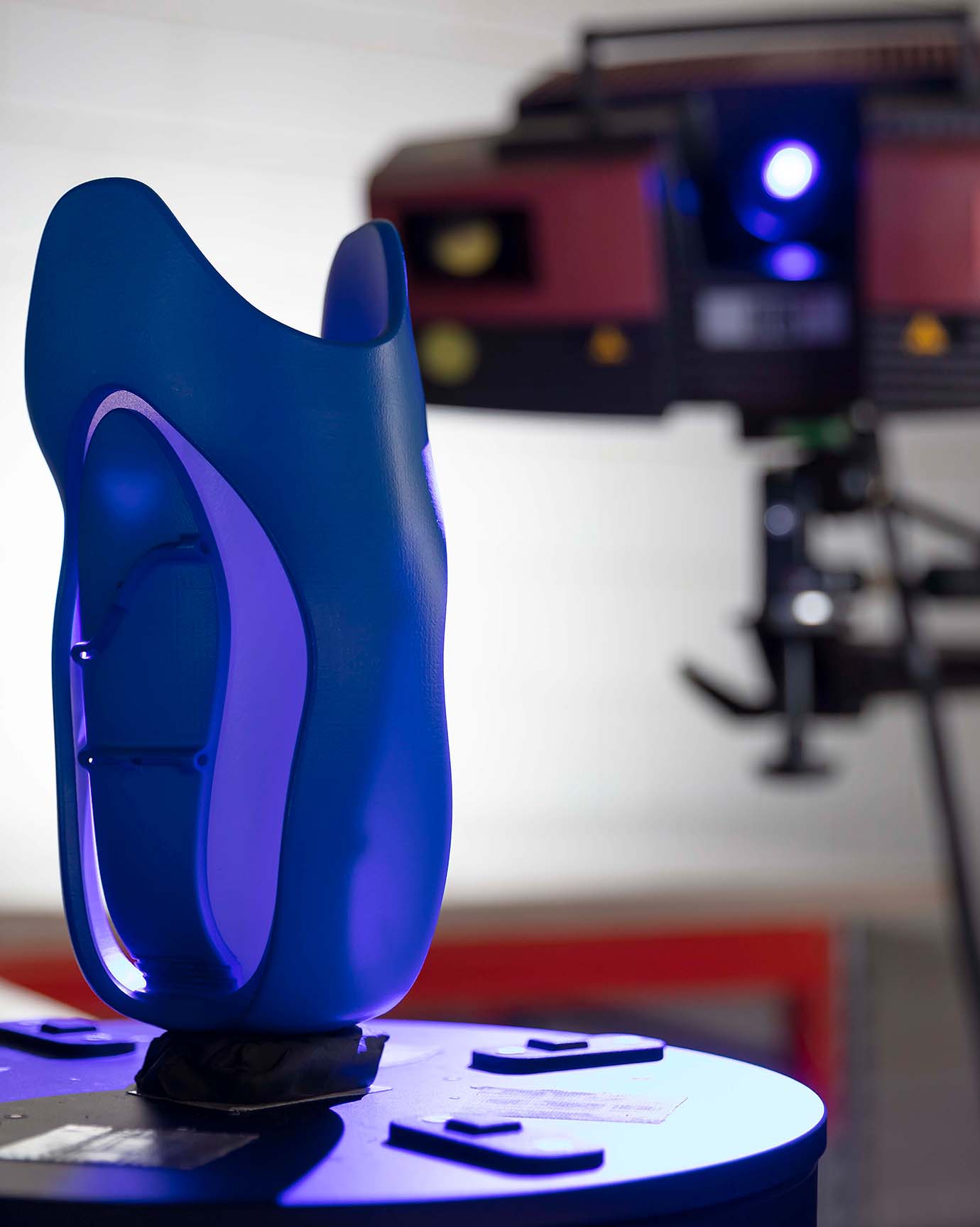
Quality.
Is there any other way?
So you’re wondering if 3D printing is strong enough to be used in a production environment? That’s a big YES from us. Large – and small – production companies rely on Parts On Demand for their cutting-edge tooling.
You may find that there is 3D printing and 3D printing.
We know the difference.
Waarom SLS voor productietools?
Doorlooptijd: dagen in plaats van weken
Traditionele tooling via CNC of spuitgieten kost 4 tot 8 weken doorlooptijd, inclusief programmeren, opspannen en nabewerken. SLS-geprinte productietools zijn klaar vanaf 5 werkdagen. Geen matrijzen, geen opspankosten, geen minimale afname. Bij Parts on Demand produceren 11 industriële SLS-machines (waaronder 3x EOS P500 dual-laser) continu, waardoor ook spoedorders binnen 48 uur kunnen.
Geometrische vrijheid voor functionele tooling
SLS bouwt laag voor laag zonder supportstructuren. Dat maakt interne kanalen, organische vormen en geconsolideerde assemblages mogelijk die met frezen onhaalbaar zijn. Een grijper die uit 7 CNC-gefreesd aluminium onderdelen bestond, kan als een enkel SLS-onderdeel worden geprint: lichter, goedkoper, sneller te monteren. Ons engineering team optimaliseert elk ontwerp voor de specifieke belasting en productieomgeving (DfAM).
Materiaal per toepassing
PA12 (PA2200) voor algemene jigs en fixtures: 48 MPa treksterkte, bestand tegen oliën en chemicaliën. Carbon LW (PA640GSL) voor end-of-arm tooling waar gewicht telt: 40% lichter dan aluminium bij vergelijkbare stijfheid. PA802CF voor metaalvervangende mallen: koolstofvezelversterkt, thermisch stabiel tot 180 °C. Alle materialen geproduceerd op onze 7x EOS P396 en 3x EOS P500 productielijnen.
Van prototype naar 100+ stuks zonder toolingkosten
Bij traditionele methoden betaal je opnieuw per matrijsaanpassing. Bij SLS is elke iteratie digitaal: aanpassen in CAD, uploaden, volgende dag testen. Van 1 prototype naar 500 identieke productietools zonder extra toolingkosten. Klanten in automotive en machinebouw gebruiken dit om nieuwe productielijnen weken eerder operationeel te hebben.
Wat klanten zeggen
“Omdat wij volledig custom oplossingen ontwerpen, is 3D-printtechnologie ideaal. Vrijwel geen beperkingen ten opzichte van draaien en frezen.”
PWR · Robotics
Lees het verhaal →“Het onmogelijke mogelijk maken. Complexe geometrieën die met traditionele technieken niet haalbaar zijn, printen in serie.”
Engineering
Lees het verhaal →Veelgestelde vragen over productietools en mallen
Welke productietools kunnen met SLS worden geprint?
Mallen, jigs, fixtures, grijpers, assemblage-hulpmiddelen en kwaliteitscontrole gauges. Elk gereedschap dat nu via CNC of spuitgieten wordt gemaakt, is een kandidaat voor SLS als de geometrie complex is of de serie beperkt.
Hoe snel kan ik een nieuw productietool ontvangen?
Standaard vanaf 5 werkdagen. Omdat SLS geen matrijzen of gereedschappen vereist, vervalt de wekenlange doorlooptijd van traditionele methoden. Ontwerpaanpassingen kunnen direct worden doorgevoerd zonder extra toolingkosten.
Welk materiaal is het beste voor productietools?
PA12 voor algemene toepassingen, Carbon LW (PA640GSL) voor lichtgewicht grijpers en end-of-arm tooling, en PA802CF voor maximale stijfheid bij metaalvervanging. Ons engineering team adviseert op basis van de belasting en omgeving.
Zijn 3D-geprinte tools sterk genoeg voor productieomgevingen?
Ja. SLS-onderdelen in PA12 hebben een treksterkte van 48 MPa en worden dagelijks ingezet in productieomgevingen bij klanten in automotive, food, farma en machinebouw. De mechanische eigenschappen zijn consistent van batch tot batch.
Kunnen jullie bestaande metalen tools herontwerpen voor 3D-printen?
Ja, dat is precies waar ons co-engineering team waarde toevoegt. We analyseren het bestaande ontwerp, optimaliseren voor SLS (gewichtsreductie, functieverbetering) en leveren een onderdeel dat vaak beter presteert dan het origineel.
Klaar om je productietools te 3D-printen?
Upload je bestand voor een offerte binnen 24 uur, of bespreek je tooling-vraagstuk direct met een engineer.
Why manufacturers choose Parts on Demand
Industrial SLS 3D printing at production scale. 11 machines. 6 engineering-grade materials. One dedicated team.
Production capacity, not prototyping
Our fleet of 3x EOS P500 dual-laser and 7x EOS P396 systems runs 24/7 for series production. That means consistent mechanical properties from batch 1 to batch 1,000. When you need 5 parts or 50,000, the process and quality are identical.
Co-engineering included
Every project is reviewed by our in-house application engineering team before production. We optimize wall thickness, orientation, and geometry for SLS (DfAM), catching issues that would cause rejects. Competitors send your file straight to a printer. We make sure it works first.
6 materials, each with a purpose
PA12 for general-purpose parts (48 MPa tensile strength). PA 950 HD for structural black parts at reduced cost (47 MPa, 80% powder reuse). Carbon LW for metal replacement at 40% less weight. PA802CF for maximum stiffness. PA11 for chemical resistance. TPU for flexible, rubber-like applications.
Based in Utrecht, shipping across Europe
Standard delivery from 5 working days. Express within 48 hours. Upload your STEP, STL, or 3MF file and receive a quote within 24 hours. No tooling costs, no minimum order quantities, no setup fees. Scale from prototype to series whenever you are ready.